Root Canal Beverly Hills Explained in Simple Terms

If your dentist has mentioned a root canal, there is a good chance your first reaction was not calm curiosity. Most people hear the phrase and imagine a long, painful appointment followed by days of discomfort. That reputation is outdated. Modern root canal treatment is usually far more routine than patients expect, and in many cases it relieves pain rather than causing it.
The confusion comes from the name. A root canal is not a separate object your dentist puts into the tooth. It is the treatment used to clean out infected or inflamed tissue from inside the tooth, seal the space, and help you keep the tooth instead of losing it. For patients searching for information about Root Canal Beverly Hills options, the most helpful starting point is plain language. What is happening inside the tooth? Why would you need this procedure? What does it actually feel like? And how do you know whether your tooth can still be saved?
Those are practical questions, and they deserve practical answers.
What a root canal actually treats
Inside every tooth is a soft center called the pulp. That pulp contains nerves, blood vessels, and connective tissue. When the tooth is healthy, you never think about it. The enamel and dentin around it do their job quietly, acting like a shell that protects the living inner tissue.
Trouble starts when bacteria get inside. That can happen because of a deep cavity, a crack, a leaking old filling, trauma, or heavy wear over time. Once the pulp becomes inflamed or infected, pressure builds in a very small space. That is often what creates the deep throbbing pain people describe. Sometimes it is sharp and unmistakable. Other times it is more subtle, like lingering sensitivity to hot coffee or a dull ache when chewing.
A root canal removes that damaged tissue from the inside of the tooth. Then the dentist or endodontist cleans and shapes the canals, disinfects the area, and fills it with a material that helps seal out bacteria. After that, the tooth usually needs a proper final restoration, often a crown if the tooth has lost a lot of structure.
So the goal is not cosmetic. It is biological and mechanical. First, remove infection. Second, preserve the tooth so it can function again.
Why dentists try to save the tooth when possible
A natural tooth is almost always worth saving if the surrounding bone and gum support are still healthy and the tooth can be restored predictably. People sometimes ask whether it would be easier to just pull the tooth and move on. On paper, extraction can sound simpler. In real life, it often creates a chain reaction.
When a tooth is removed, the neighboring teeth can shift. The opposing tooth may over-erupt into the empty space. Chewing can become less balanced. Bone in that area can gradually shrink. If you want to replace the missing tooth with an implant or bridge, treatment often becomes more expensive, more time-consuming, and more invasive than a root canal and crown would have been.
There are exceptions, of course. A tooth with a severe vertical fracture, extreme bone loss, or decay extending too far below the gum line may not be worth saving. Good dentistry is not about preserving every tooth at any cost. It is about judgment. But when the tooth is restorable, root canal treatment is often the most conservative way to maintain your bite and avoid bigger problems later.
Signs that point toward a root canal
Not every toothache means you need a root canal. A small cavity, gum inflammation, sinus pressure, or even clenching can mimic tooth pain. Still, there are some patterns dentists pay close attention to.
One common clue is temperature sensitivity that lingers. If you sip something hot and the tooth continues aching for 20 or 30 seconds, that can suggest the pulp is inflamed beyond the point where it can recover. Another clue is tenderness when biting down or releasing pressure. Patients often describe it as feeling like the tooth is bruised or slightly raised.
Swelling matters too. A pimple-like bump on the gums can indicate an abscess draining from the root. In some cases, the tooth has already died and the pain is minimal, yet the infection is active in the bone. That is why a lack of pain does not always mean a lack of urgency.
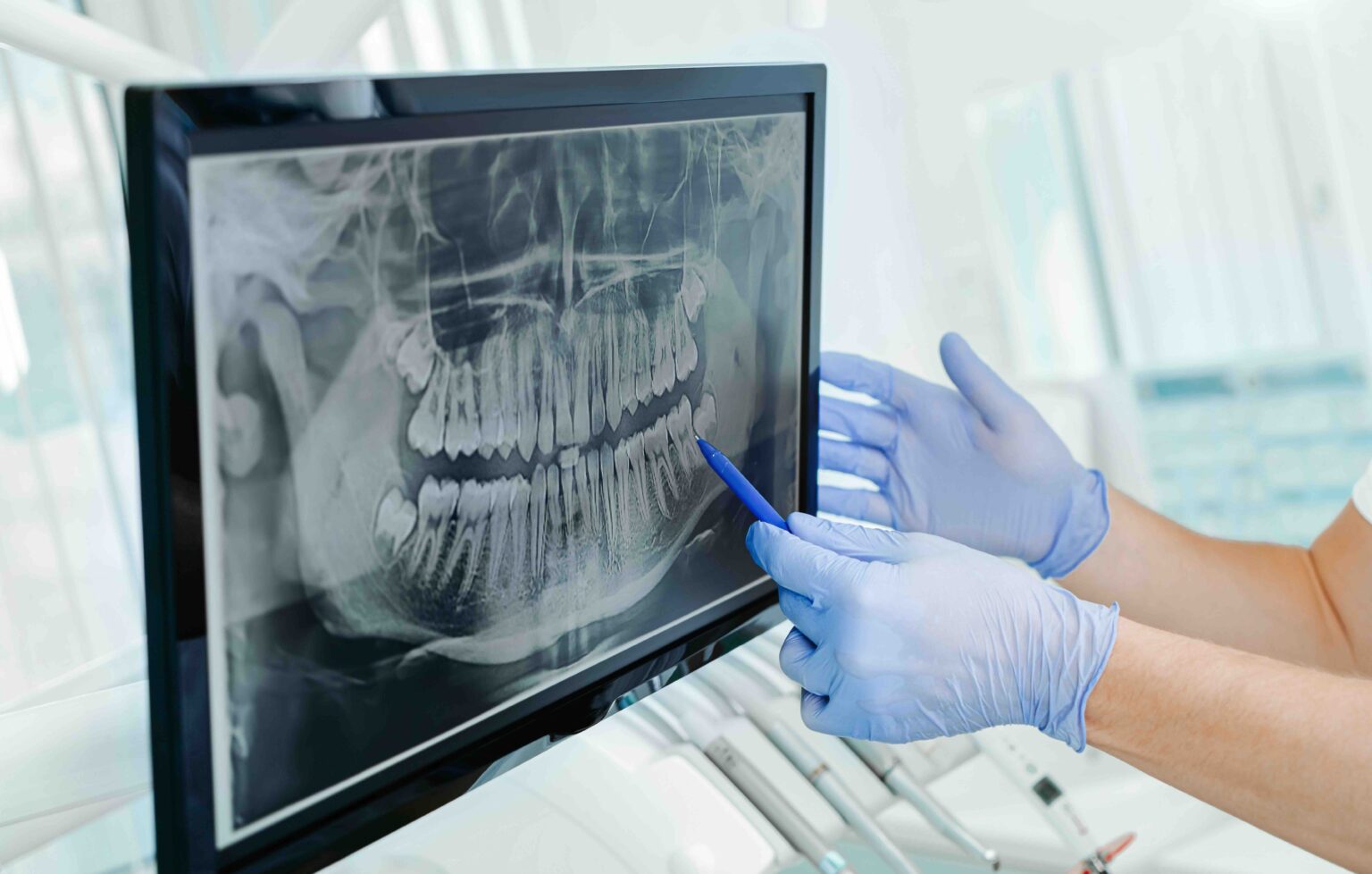
Dentists usually combine your symptoms with an exam, X-rays, and pulp tests. They may use cold testing, percussion, bite tests, and sometimes 3D imaging if a crack or hidden anatomy is suspected. The decision is rarely made from one sign alone. It is more like putting together a clinical puzzle.
The simplest way to picture the procedure
A helpful comparison is this: imagine a house with plumbing hidden behind the walls. If contaminated water or damage has spread through the pipes, you do not throw away the whole house. You access the damaged area, clean it out, repair what is inside, and seal it so the structure can keep serving its purpose.
That is essentially what happens with a root canal. The visible part of the tooth may still be salvageable even though the tissue inside is not.
A typical appointment follows a sequence like this:
- The tooth is numbed thoroughly, and a protective sheet called a rubber dam is placed to keep the area dry and clean.
- A small opening is made in the tooth so the dentist can reach the canals inside the roots.
- The infected or inflamed pulp is removed, and the canals are cleaned, shaped, and disinfected with fine instruments and irrigating solutions.
- The canals are filled and sealed, then the tooth receives either a temporary filling or the first phase of its final restoration.
- The tooth is later protected with the appropriate permanent repair, very often a crown for back teeth.
That sequence sounds technical, but the patient experience is usually uneventful. You are numb. You feel vibration, pressure, and time passing, not the dramatic pain people fear.
Does a root canal hurt?
This is the question everyone asks, and it deserves a direct answer. The procedure itself is usually no more uncomfortable than having a filling placed in a deeply decayed tooth. The pain people associate with root canals often comes before treatment, when the nerve is inflamed or infected.
Local anesthetic works very well in most situations, though severely inflamed teeth can be trickier to numb. An experienced clinician knows how to manage that, whether by allowing more time for anesthesia, using supplemental injections, or adjusting the treatment plan if an acute infection is present. Patients who are highly anxious may also benefit from sedation options, depending on the office and the complexity of the case.
After treatment, it is normal for the area to feel sore for a few days. That soreness tends to come from inflammation around the root tip and from keeping the mouth open during a longer visit. It is often most noticeable when biting. Many patients manage it with over-the-counter pain relievers if their medical history allows. A small percentage feel very little afterward. Others, especially those who came in with a hot, angry abscess, may need a bit longer before everything settles down.
The main point is this: a root canal is designed to stop pain from an unhealthy tooth. It is not a punishment. It is a rescue procedure.
Why Beverly Hills patients often ask detailed cosmetic questions
Patients looking into Root Canal Beverly Hills treatment often care about more than pain relief alone. They want to know how treatment will affect appearance, scheduling, and long-term durability. That makes sense in a community where image, professional presence, and time efficiency often matter.
For front teeth, the biggest concern is usually appearance. A front tooth that needs a root canal may have darkened after trauma, or it may have a chip that requires careful restoration. In those cases, the root canal solves the internal disease, but the final cosmetic result depends on the restoration plan. Sometimes a conservative bonded filling is enough. Other times the tooth may need internal bleaching, a veneer, or a crown depending on how much structure remains and whether the color has changed significantly.
For back teeth, the focus is usually strength. Molars absorb heavy chewing forces. Once a molar has had deep decay and root canal therapy, it is more vulnerable to fracture if it is left with only a temporary filling or a large unsupported cavity. That is why dentists often recommend a crown after treatment. The root canal removes the infection, but the crown helps the tooth survive function.
Patients are sometimes surprised to learn that the final restoration can matter as much as the root canal itself. A beautifully cleaned canal system will not save a tooth that later cracks because it was never reinforced properly.
Root canal versus extraction, the real trade-off
This conversation comes up often because patients want a practical answer, not a sales pitch. If a tooth is fixable, root canal treatment is usually the better biological choice. But dentistry works in shades of gray, not absolutes.
Here are the factors that typically shape the decision:
- How much healthy tooth structure remains above and below the gum line
- Whether the tooth has a crack, and if so, how deep it goes
- The condition of the surrounding bone and gums
- Your bite forces, including grinding or clenching habits
- Cost, timeline, and your willingness to complete the final restoration
For example, a tooth with a straightforward infection and solid remaining walls may do very well for many years after a root canal and crown. A tooth with repeated prior treatment, minimal structure, and a suspicious fracture line may have a much less predictable future. That does not automatically mean extraction is best, but it changes the conversation.
One of the more frustrating situations is when a patient invests in emergency pain relief, starts a root canal, then delays the crown for many months. During that time the tooth can crack, decay can recur around the temporary material, or the bite can overload the weakened structure. At that point, the original investment may be lost. Timing matters.
What happens if you put it off
An infected tooth rarely fixes itself. Sometimes the pain fades, and people take that as good news. It can be misleading. When the nerve dies completely, the pain may decrease, but the bacteria can continue spreading through the root tip into the surrounding bone.
Delay can lead to swelling, a bad taste in the mouth, disturbed sleep, and difficulty chewing. In some cases the infection drains slowly and becomes chronic. In others, it flares suddenly and becomes a true dental emergency with facial swelling and severe pain. Medications alone do not solve the source of the problem. Antibiotics may help control spreading infection in certain cases, but they do not clean out the dead or infected tissue inside the tooth.
There is also a structural cost to waiting. A tooth that might have been restorable early on can crack further or lose more structure while you postpone treatment. What begins as a salvageable case can turn into an extraction case.
Recovery, aftercare, and what people usually notice at home
Most patients return to normal routines quickly, often the same day. If the tooth was extremely infected beforehand, the tissue around it may stay tender for a little while even after the internal source has been removed. That can feel discouraging, but it is usually just the body calming down after a period of inflammation.
You will usually be told not to chew hard on the treated tooth until the permanent restoration is placed. That advice matters. A back tooth with a temporary filling is not built for almonds, ice, crusty bread, or steak. If it fractures before the final crown is completed, the prognosis can change fast.
A few practical points make recovery smoother:
- Take any recommended medication as directed, especially in the first day or two if tenderness is expected.
- Avoid chewing on the tooth until your dentist says it is fully restored and ready for function.
- Keep the area clean with normal brushing and flossing unless you are given specific temporary instructions.
- Call the office if swelling increases, your bite feels very uneven, or pain escalates instead of gradually improving.
One small but important point, if the tooth feels too high when you bite after treatment, do not ignore it. Even a minor bite imbalance can make a tooth feel sore for longer than necessary. A simple adjustment can make a dramatic difference.
When a specialist may be the better choice
General dentists perform many root canals very well, especially routine cases with straightforward anatomy. Endodontists are specialists who focus on root canal treatment and related procedures. They use high magnification, specialized imaging, and refined techniques for more complex situations.
You Root Canal Beverly Hills might be referred to an endodontist if the canals are unusually narrow or curved, if the diagnosis is unclear, if prior root canal treatment has failed, or if a crack is suspected. Front teeth with trauma history, calcified canals in older patients, and molars with difficult anatomy can all benefit from specialist care.
That referral should not be viewed as bad news. Often it is simply good judgment. Dentistry is full of cases that look simple on an X-ray but prove more intricate once treatment begins. The best clinicians know when to handle a case and when to collaborate.
How long does a root canal last?
A well-done root canal can last many years, sometimes decades, especially if the tooth receives an excellent final restoration and the patient maintains it. Success depends on several variables. The infection must be cleaned thoroughly. The canals must be sealed effectively. The tooth must be restored in a way that prevents leakage and fracture. Your own habits matter too. Heavy grinding, poor hygiene, and delayed follow-up can shorten the lifespan of any restored tooth.
Teeth are not identical. A single-rooted front tooth with limited damage is different from a molar with multiple canals, an old large filling, and a strong nighttime clenching habit. That is why ethical dentists talk in probabilities rather than guarantees.
If a root canal-treated tooth develops symptoms later, it does not always mean the first treatment was poor. New decay, fracture, crown leakage, or complex hidden anatomy can all create problems down the line. Some teeth can be retreated successfully. Others may need apical surgery or extraction, depending on what has changed.
The emotional side people rarely talk about
Dental pain can be exhausting in a way non-dental problems often are not. It interferes with sleep, concentration, mood, and even confidence. People become irritable, they stop chewing normally, and they start negotiating with discomfort day after day. By the time they finally come in for a root canal consultation, many are not just worried about the procedure. They are worn out.
That is why clear communication matters so much. Patients do better when they understand what is wrong, what can realistically be fixed, and what the next few weeks will look like. The most reassuring appointments are not necessarily the fastest ones. They are the ones where the clinician explains the diagnosis honestly, answers questions without rushing, and lays out the restoration plan so there are no surprises.
For anyone researching Root Canal Beverly Hills providers, that communication style is worth noticing. Technical skill matters, of course, but so does the ability to explain findings in plain English and set expectations properly. A dentist who can show you the X-ray, point out the decay or abscess, and describe why the crown matters after the root canal is giving you something valuable: context.
The simplest takeaway
A root canal is a method for saving a tooth whose inner tissue can no longer heal. It removes infection, calms inflammation, and gives the tooth a chance to keep doing its job. It is not always the right choice, and not every tooth is salvageable. But when the diagnosis is sound and the restoration is done properly, it is one of the most effective ways to relieve pain and preserve your natural bite.
The fear surrounding root canals usually comes from old stories, not modern reality. What most patients experience is far less dramatic. They come in with a tooth that hurts, or a tooth that is quietly infected, and they leave with a plan to stop the problem before it becomes something larger. That is the real story behind the procedure, simple, practical, and dentalgroupbh.com Root Canal Beverly Hills often a relief once you understand it.
Dental Group of Beverly Hills
8641 Wilshire Blvd, Suite 125
Beverly Hills, CA 90211
(310) 361-2835
FAQ About Root Canal Beverly Hills
What are the signs you need a root canal?
Persistent pain, lingering temperature sensitivity, or swelling can have several causes. A dentist can examine the tooth and decide whether root canal treatment is appropriate.
How much does a root canal usually cost in Beverly Hills CA?
Cost varies by tooth, complexity, insurance, and whether a permanent restoration is needed. Request an itemized estimate.
How long do root canals last?
A treated tooth can last many years with a suitable restoration and regular dental care. Its outlook depends on tooth condition, the seal, and follow-up care.
Corrections
Spot something wrong? Send it to the desk and it gets fixed in the open.