Root Canal Beverly Hills: Common Questions From First-Time Patients


Hearing the words "root canal" for the first time can make even calm, practical people tense up. That reaction is understandable. Most first-time patients are not worried about the technical details of endodontic therapy. They are thinking about pain, time away from work, cost, and whether the tooth can be saved at all.
In a place like Beverly Hills, where patients often keep demanding schedules and place a high value on comfort, appearance, and long-term results, those concerns tend to come up quickly and directly. People want clear answers. They do not want vague reassurance. They want to know what the procedure feels like, why it is necessary, how long recovery takes, and whether life returns to normal afterward.
If you have been told you may need a root canal, or you are searching for Root Canal Beverly Hills options because you have symptoms that do not feel right, it helps to understand what the treatment actually involves. Much of the fear around root canals comes from old stories, not modern reality. Dentistry has changed. Techniques are more precise, numbing is better, imaging is far more accurate, and the experience is usually much easier than patients expect.
What a root canal actually treats
A root canal is not a treatment for the outside of the tooth. It is a treatment for the inside. At the center of every tooth is a space that contains pulp, a soft tissue made up of nerves, blood vessels, and connective tissue. When that pulp becomes inflamed, infected, or irreversibly damaged, the tooth often cannot heal on its own.
That damage usually happens for a few familiar reasons. A deep cavity can let bacteria reach the pulp. A crack can expose the inside of the tooth. Trauma can injure the nerve, even when the tooth looks intact from the outside. Sometimes repeated dental work on the same tooth gradually irritates the pulp until it stops recovering.
Once the inner tissue is badly compromised, the choices narrow. You either remove the diseased pulp and preserve the rest of the tooth structure, or you remove the tooth itself. In many cases, saving the natural tooth is the better long-term move, especially for biting strength, bone preservation, and maintaining a natural look and feel.
How do you know you might need one?
Patients often expect dramatic pain, but the signs are not always dramatic. Some teeth with severe infection barely hurt at all. Others produce the kind of deep, throbbing ache that makes it hard to sleep.
Common warning signs include:
- lingering pain with hot or cold foods
- pain when biting or releasing pressure
- swelling near the gumline
- a darkening tooth after trauma
- a pimple-like bump on the gum that comes and goes
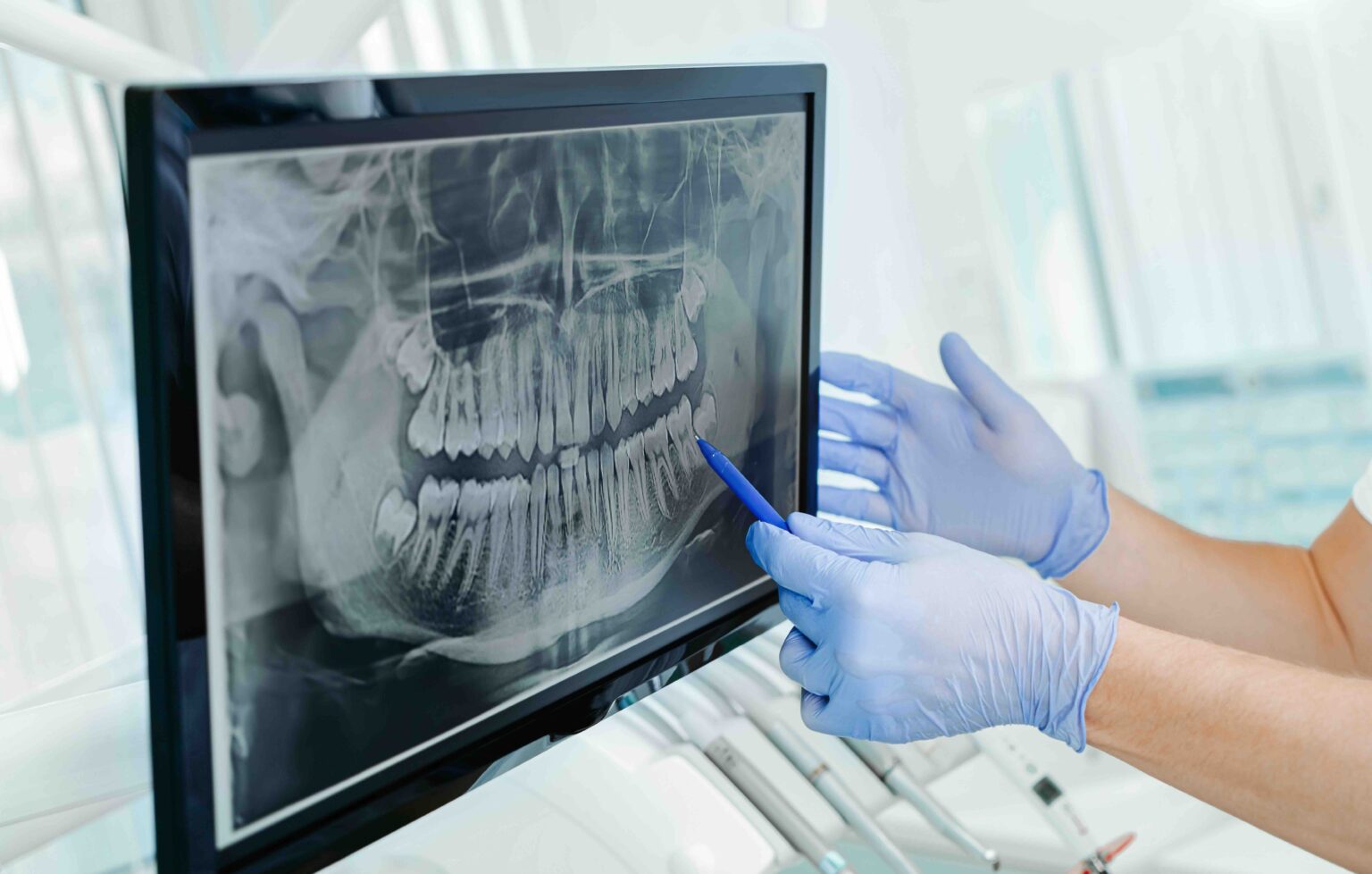
That said, symptoms alone do not confirm the diagnosis. A proper exam matters. Dentists usually combine a clinical evaluation with X-rays, and in some cases 3D imaging, to see whether the pulp is inflamed beyond recovery or whether infection has spread around the root.
One thing surprises first-time patients all the time: the tooth that feels fine is not always the source of the problem. Pain can travel. A lower molar can make the whole side of the jaw ache. An upper tooth can create pressure that Root Canal Beverly Hills feels almost like sinus discomfort. That is one reason self-diagnosis tends to mislead people.
Does a root canal hurt?
This is the question almost everyone asks first, often before they sit all the way down in the chair.
The honest answer is that the condition requiring the root canal usually hurts more than the treatment itself. Modern local anesthesia is highly effective. For most patients, once the area is fully numb, the procedure feels more like having a filling placed than like the horror story they have imagined.
Pressure is normal. Vibration is normal. Some jaw fatigue from keeping your mouth open is common, especially on back teeth. Sharp pain during treatment should not be the norm. If a patient feels something significant, the dentist adjusts. Good clinicians expect communication and make room for it.
People with a "hot tooth," meaning a severely inflamed nerve that is difficult to numb, may need extra anesthetic techniques. That does happen. It is frustrating, but it is manageable. In practice, these situations are more about patience and technique than toughness.
For anxious patients, Beverly Hills practices often offer comfort measures that go beyond standard care. Noise-canceling headphones, blankets, nitrous oxide, oral sedation, and a slower pace can make a major difference. None of that changes the biology of the tooth, but it absolutely changes the experience of treatment.
Why not just pull the tooth?
Sometimes extraction is appropriate. A tooth may be too cracked, too decayed, or too unsupported by surrounding bone to save predictably. But many first-time patients assume pulling the tooth is simpler and cheaper, when the longer view is more complicated.
Losing a tooth creates another problem that has to be solved. If the space matters functionally or cosmetically, replacement often means an implant, bridge, or removable option. Each has costs, timelines, and trade-offs. Implants can be excellent, but they involve surgery, healing time, and enough bone to support placement. Bridges can work well, but they usually involve the neighboring teeth.
Saving your natural tooth, when feasible, is often the most conservative route. A well-done root canal followed by proper restoration can preserve normal chewing, maintain alignment, and avoid the ripple effects that come with losing a tooth.
How long does the procedure take?
This varies more than people expect. A front tooth with a straightforward root shape may be far simpler than a molar with multiple narrow, curved canals. A tooth with an old crown, heavy calcification, or active infection may require more time and planning.
Many root canals are completed in one visit, often somewhere between 60 and 90 minutes, though complicated molars can run longer. Some cases are better handled over two visits, particularly if there is significant infection, difficult anatomy, drainage, or uncertainty about the condition of the tooth.
Patients sometimes hear "one visit root canal" and assume that is always superior. Not necessarily. The right timing depends on the tooth, the infection level, and the clinician's judgment. Efficiency matters, but not at the expense of cleaning the canal system thoroughly.
What actually happens during the appointment?
Most first-time patients feel better once they know the sequence. It is less mysterious than they think.
After the tooth is numbed, the dentist isolates it, often with a rubber dam. This thin protective barrier keeps the area dry and helps prevent bacteria from saliva from contaminating the tooth during treatment. A small access opening is made so the inside of the tooth can be reached. The damaged pulp is removed, and the canals are cleaned, shaped, and disinfected with very small instruments and irrigating solutions. Once the canals are prepared, they are filled with a biocompatible material to seal the space. The tooth is then sealed temporarily or permanently, depending on the treatment plan.
That description sounds technical, but what patients usually notice is simpler: numbness, time passing, and eventually relief that the source of the pain has been addressed.
Will I need a crown afterward?
Very often, yes, especially for back teeth.
This is one of the most important points patients miss. A root canal does not strengthen a tooth. It removes diseased internal tissue and allows the tooth to stay in the mouth. But many teeth that need root canals have already lost substantial structure from decay, fractures, or previous fillings. After treatment, they can be more prone to cracking if left unprotected.
Molars and premolars generally take heavy chewing forces, so a crown is commonly recommended to protect them. Front teeth are a different story. If a front tooth has enough healthy structure remaining and is not under major biting stress, a filling or other conservative restoration may sometimes be enough.
Waiting too long for the final restoration is a common mistake. Patients feel better, assume the problem is solved, and postpone the crown. Then the tooth fractures, and a salvageable case becomes an extraction case. That sequence is unfortunately not rare.
What does recovery feel like?
Recovery is usually manageable. Once the numbness wears off, mild soreness for a few days is common. The tissues around the tooth can feel tender, especially if there was infection or significant inflammation before treatment. Chewing on that side may feel strange at first.
Most patients do well with over-the-counter pain relief, assuming they can take those medications safely. Your dentist may recommend ibuprofen, acetaminophen, or a combination schedule depending on your health history. If the tooth was severely infected or difficult to treat, discomfort can last a bit longer, but sharp or worsening pain should prompt a call back to the office.
A realistic short recovery checklist looks like this:
- expect tenderness for a few days
- avoid chewing hard foods on the treated tooth until cleared
- take medications exactly as directed
- keep the area clean with normal brushing and flossing
- return promptly for the permanent restoration if one is needed
Swelling that increases, fever, or bite pain that intensifies instead of improving deserves attention. Most recoveries are uneventful, but follow-up matters.
Can a root canal fail?
Yes, although "fail" covers a few different scenarios.
A treated tooth can continue to heal slowly for months and still go on to do well. That is not failure. True problems tend to involve persistent infection, missed anatomy, a new fracture, leakage from a delayed or broken restoration, or reinfection years later.
Root systems can be surprisingly complex. Some teeth have extra canals or very narrow anatomy that is difficult to locate and clean. Even with skill and magnification, there are biological limits. If symptoms persist or an X-ray shows unresolved infection, retreatment may be considered. In some situations, a surgical approach such as an apicoectomy is discussed. In others, the tooth is no longer restorable.
That may sound unsettling, but the broader point is reassuring: root canal treatment has a strong track record when the tooth is properly selected, carefully treated, and well restored afterward.
Why some patients are referred to an endodontist
General dentists perform many root canals, and plenty do them very well. Endodontists are specialists who focus on diagnosis and treatment of the dental pulp and tissues around the roots. They typically manage more complex cases, use advanced imaging frequently, and work with operating microscopes as a routine part of care.
A referral does not necessarily mean your case is alarming. It may simply mean the tooth has curved roots, calcified canals, prior root canal treatment, unusual pain patterns, or an anatomy that benefits from specialist equipment and experience.
In Beverly Hills, where patients often expect high-touch care and highly tailored treatment planning, referrals between general dentists and specialists are common. That can be a strength, not a sign of trouble. Good dentists know when a case falls squarely within routine care and when a specialist can improve predictability.
How much does a root canal cost in Beverly Hills?
Cost is one of the first practical questions, and it is fair to ask directly.
Fees vary depending on the tooth involved, whether a specialist is performing the procedure, the complexity of the anatomy, whether imaging such as CBCT is needed, and what restoration comes next. Front teeth generally cost less than molars. A root canal performed by an endodontist may cost more than one done in a general practice, though that difference often reflects equipment, training, and case complexity. The crown, if needed, is a separate cost in many offices.
If you are comparing Root Canal Beverly Hills providers, it helps to compare more than the base fee. Ask what is included. Is the exam separate? Are X-rays included? Is 3D imaging likely? Will you need a temporary buildup before the crown? Who will do the final restoration? Those details shape the real total more than a headline number on a website.
Insurance can offset some of the cost, but coverage varies widely. Patients are often surprised to learn that a cheaper extraction can become the more expensive choice once replacement is added back into the equation.
What if I am pregnant, anxious, or on medication?
These are the kinds of details that matter and should be discussed early, not as an afterthought.
Pregnancy requires thoughtful timing and coordination, but necessary dental treatment is often safer than leaving infection untreated. Local anesthetics commonly used in dentistry may still be appropriate, and diagnostic imaging can often be done with proper precautions when clinically needed. The key is communication between patient, dentist, and obstetric provider when appropriate.
For anxious patients, saying "I am nervous" is helpful, but being specific is even better. Some people fear injections. Others fear feeling trapped, hearing the drill, or having trouble getting numb. A dentist can adapt more effectively when the fear is named clearly.
Medication history matters as well. Blood thinners, certain heart medications, bisphosphonates, and a range of other prescriptions may affect planning. So can autoimmune conditions, uncontrolled diabetes, and a history of difficult anesthesia. None of this automatically prevents treatment, but it does change how a prudent dentist approaches it.
Is it ever better to wait and see?
Occasionally, yes. Often, no.
If the pulp is irritated but not irreversibly inflamed, a dentist may recommend monitoring, replacing a defective filling, or trying a more conservative approach first. But once there are clear signs that the pulp cannot recover, waiting rarely improves the situation. Pain may fluctuate, which fools people into thinking the tooth is healing. In reality, the nerve may be dying, pressure may be shifting, or infection may be draining temporarily. A quiet tooth is not always a healthy tooth.
One pattern comes up repeatedly in practice. A patient feels intense pain over a weekend, then the tooth settles down on Monday and the urgency disappears. A few weeks later, there is swelling or a sudden flare-up before a trip, a major meeting, or a holiday. Teeth do not care about your calendar. If treatment has been recommended with good diagnostic support, delay is usually a gamble.
Questions worth asking at the consultation
A good Root Canal Beverly Hills consultation should leave you more informed, not more confused. You do not need to master endodontics, but you should understand the recommendation and the alternatives.
Consider asking:
- what specifically shows that the tooth needs a root canal
- whether the tooth is restorable after treatment
- whether a crown will be needed and how soon
- whether a general dentist or endodontist is the better fit for this case
- what symptoms after treatment should prompt a call
The best answers are usually clear, measured, and tied to your tooth, not generic talking points.
Choosing the right provider in Beverly Hills
When patients search for Root Canal Beverly Hills care, they often start with convenience or online reviews. Those are not meaningless, but they should not be the only factors. Root canal therapy is one of those procedures where diagnosis, case selection, and restoration planning matter just as much as the treatment itself.
Look for a clinician who explains findings clearly, reviews the X-rays with you, and distinguishes between what is known and what is uncertain. Dentistry always involves some uncertainty. A trustworthy provider will not pretend otherwise. They will explain the probable outcome, the limits, and the backup plan if the tooth does not respond as hoped.
Office experience matters too. First-time patients tend to underestimate how much a calm, organized team changes the day. Efficient scheduling, responsive follow-up, and careful communication reduce stress as much as technical skill does.
If a tooth is complex, choosing a specialist can be money well spent. If the case is straightforward, a skilled general dentist may be perfectly appropriate. The right choice depends on the anatomy, the restoration needs, and the operator's experience.
The part most people are relieved to learn
For many first-time patients, the biggest surprise is not that the procedure was painless. It is that they waited so long while living with a tooth that was draining their energy, sleep, and focus.
Dental pain has a way of shrinking daily life. It changes what side you chew on. It wakes you at night. It makes cold drinks, hot coffee, and even breathing through your mouth uncomfortable. People adapt to that more than they should. Then the infected or inflamed tissue is treated, and the body gets a chance to settle down.
That relief is the real story of root canal treatment. Not the old jokes, not the exaggerated fear, not the internet folklore. Just a damaged tooth being treated with precision so it can remain in function.
If you have been told you need a root canal, ask the questions you need to ask. Get the X-rays explained. Understand the restoration plan. If the diagnosis is sound and the tooth is restorable, treatment is often far more manageable than people imagine, and far more valuable than they realize before they go through it.
Dental Group of Beverly Hills
8641 Wilshire Blvd, Suite 125
Beverly Hills, CA 90211
(310) 361-2835
FAQ About Root Canal Beverly Hills
What are the signs you need a root canal?
Persistent pain, lingering temperature sensitivity, or swelling can have several causes. A dentist can examine the tooth and decide whether root canal treatment is appropriate.
How much does a root canal usually cost in Beverly Hills CA?
Cost varies by tooth, complexity, insurance, and whether a permanent restoration is needed. Request an itemized estimate.
How long do root canals last?
A treated tooth can last many years with a suitable restoration and regular dental care. Its outlook depends on tooth condition, the seal, and follow-up care.
Corrections
Spot something wrong? Send it to the desk and it gets fixed in the open.